

Hôtels familiaux à Tegalrejo, Yogyakarta
 Changez d’avisRéservez des hôtels avec annulation gratuite.
 Faites-vous plaisirConnectez-vous pour économiser 10 % ou plus sur des milliers d’hôtels.Se connecter
 Trouvez votre bonheurFaites votre choix parmi près d’un million d’hébergements dans le monde entier.
Ce soir
20 août - 21 aoûtDemain
21 août - 22 aoûtCe week-end
21 août - 23 aoûtLe week-end prochain
28 août - 30 aoûtTegalrejo : notre meilleure sélection d’hôtels familiaux


CHF 106
taxes et frais compris
30 août - 31 août


CHF 39
taxes et frais compris
3 sept. - 4 sept.


CHF 25
taxes et frais compris
30 août - 31 août
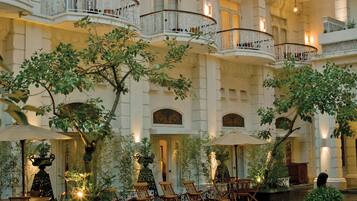

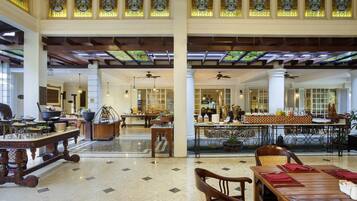

4. The Phoenix Hotel Yogyakarta - Handwritten Collection
The Phoenix Hotel Yogyakarta - Handwritten CollectionCentre de Yogyakarta

Aymeric
CHF 59
taxes et frais compris
19 sept. - 20 sept.
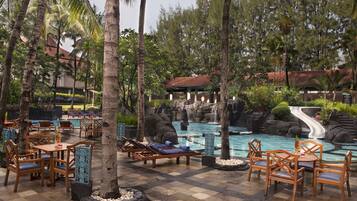
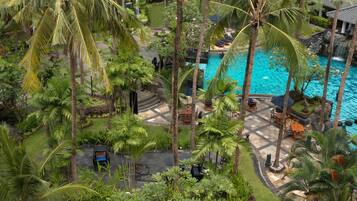

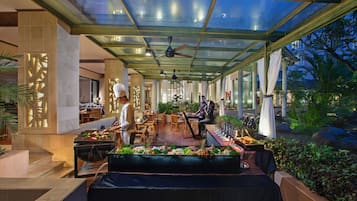
CHF 59
taxes et frais compris
20 sept. - 21 sept.


CHF 18
taxes et frais compris
2 sept. - 3 sept.

7. Jambuluwuk Malioboro Hotel Yogyakarta
Jambuluwuk Malioboro Hotel YogyakartaCentre de Yogyakarta
Jean luc
CHF 35
taxes et frais compris
20 sept. - 21 sept.


CHF 37
taxes et frais compris
18 sept. - 19 sept.
Afficher tous les hébergements
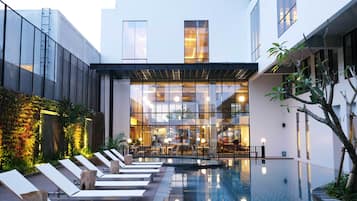


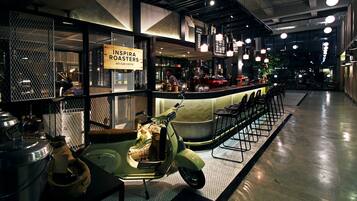


Tegalrejo : les hôtels les mieux notés
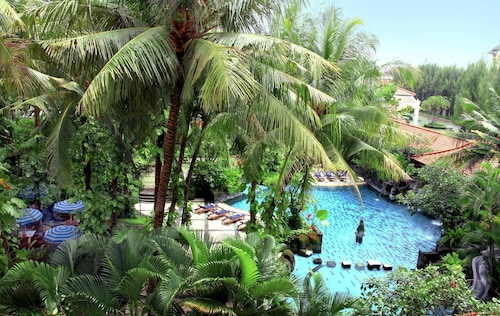
Melia Purosani Yogyakarta
10/10 Excellent
"Personnel adorable, restauration très bien"
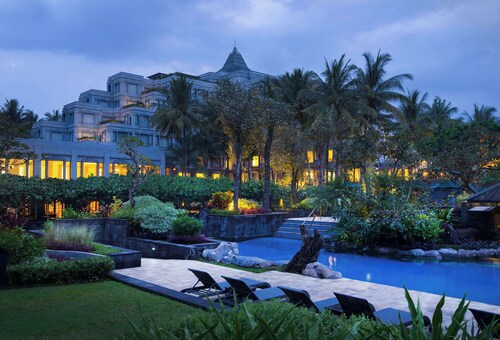
Hyatt Regency Yogyakarta
10/10 Excellent
"Notre sejour dans cet établissement à été exceptionnelle. Pour commencer, le cadre est idyllique ( vert, grand , calme) c'est vraiment un plaisir de s'y balader. Un peu éloigné du centre mais.les nombreux taxis vous y emmènent à petit prix, donc pas de panique de ce côté là. La chambre est grande, lit très grand et très confortable, ménage minutieux et quotidien... De nombreuses activités ( golf, yoga et autres sports,...) pour grands et petits, piscine très grande sur plusieurs espaces, pour contenter petits et grands. Le petit déjeuner est vraiment fantastique ! Plusieurs commerces ( restaurant, Épicerie, laundry, pharmacie,... ) aux alentours... Et surtout le personnel est exceptionnel de gentillesse, de politesse, de bienveillance... En bonus, pour immortaliser ce voyage, une photo encadrée offerte ( apres un shooting photo gratuit, et possibilité d'en acheter d'autres bien évidemment). Vous l'aurez compris je recommande fortement cet établissement qui vaut vraiment le detour, vous ne regretterez pas !"

The Phoenix Hotel Yogyakarta - Handwritten Collection
10/10 Excellent
"Excellent séjour. Le petit-déjeuner est extrêmement varié. La chambre est spacieuse."

Jambuluwuk Malioboro Hotel Yogyakarta
10/10 Excellent
"Rien à dire. C'était bien. J'ai passé 2 semaines super "