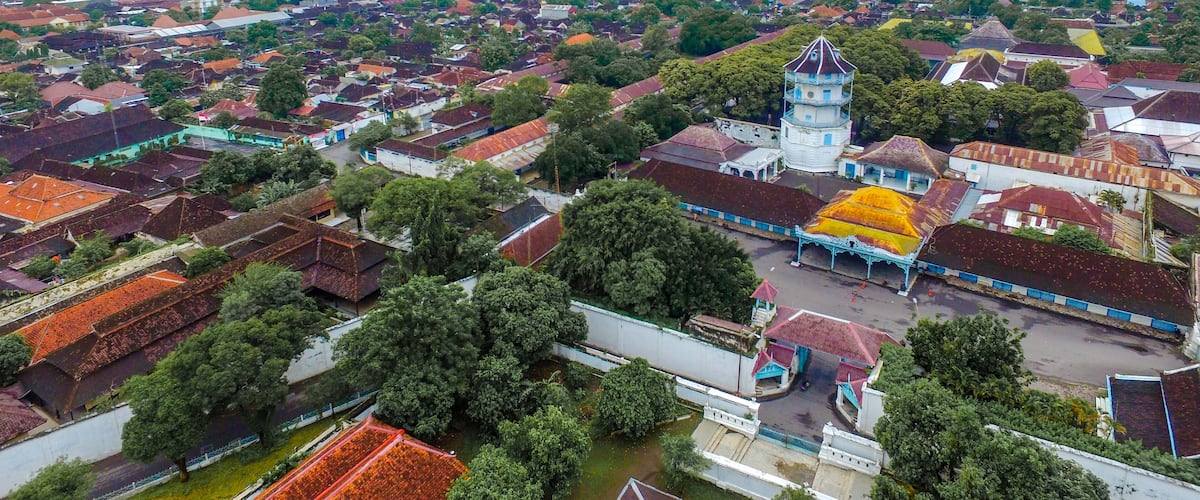
Foto von Sharrie Shaw
Hotels in Surakarta
- Und wenn du deine Meinung änderst?Ganz einfach: Buche Hotels mit kostenloser Stornierung.
- Sei ruhig wählerischStöbere in fast einer Million Unterkünften auf der ganzen Welt.
Probiere es mit einer anderen Unterkunft als sonst in Surakarta
Überprüfe die Preise für diese Daten
Heute
Morgen
Dieses Wochenende
Nächstes Wochenende
Unsere Top-Auswahl an Hotels in Surakarta
Der Preis beträgt CHF 56
inkl. Steuern & Gebühren
21. Dez.–22. Dez.

8.6 von 10, Hervorragend, (76)
Der Preis beträgt CHF 41
inkl. Steuern & Gebühren
4. Jan.–5. Jan. 2026
Der Preis beträgt CHF 51
inkl. Steuern & Gebühren
20. Dez.–21. Dez.
Der Preis beträgt CHF 42
inkl. Steuern & Gebühren
4. Jan.–5. Jan. 2026

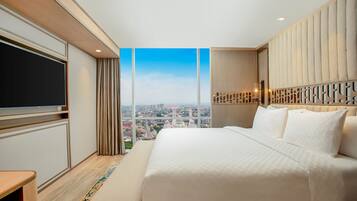
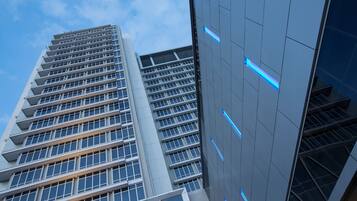
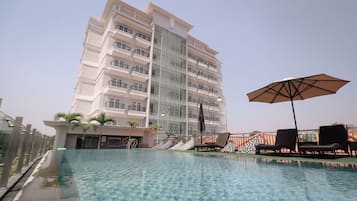
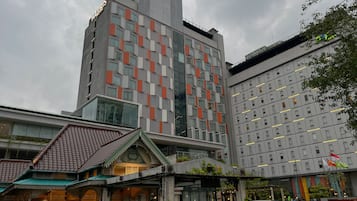
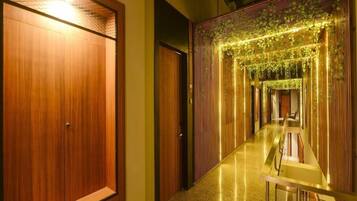
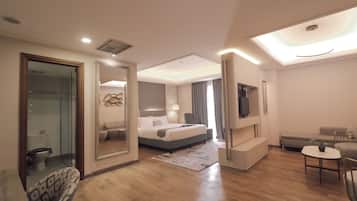
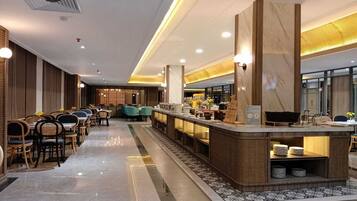
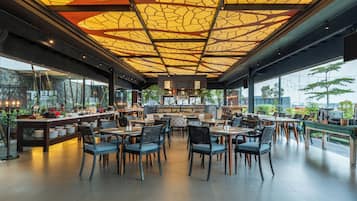
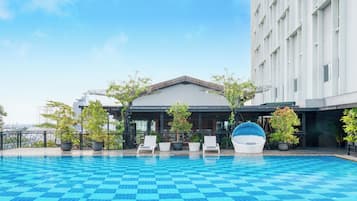
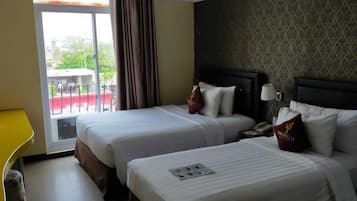
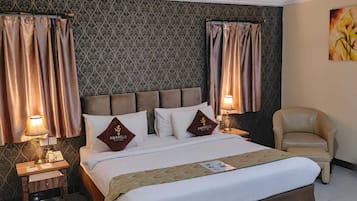
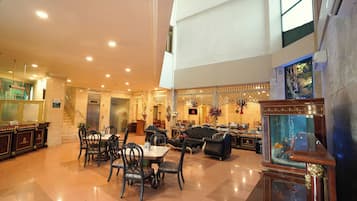
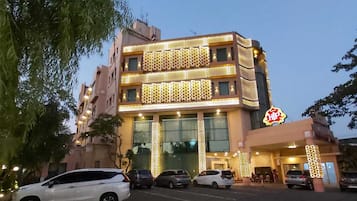
The Alana Hotel and Convention Center - Solo by Aston
The Alana Hotel and Convention Center - Solo by AstonColomadu
8.2 von 10, Sehr gut, (62)
Der Preis beträgt CHF 62
inkl. Steuern & Gebühren
21. Dez.–22. Dez.
Der Preis beträgt CHF 24
inkl. Steuern & Gebühren
3. Jan.–4. Jan. 2026
Dies ist der niedrigste Preis pro Nacht, der in den letzten 24 Stunden für einen Aufenthalt mit 1 Übernachtung von 2 Erwachsenen gefunden wurde. Preise und Verfügbarkeiten können sich ändern. Es können zusätzliche Bedingungen gelten.
Spare mindestens 10% bei Tausenden Hotels, wenn du angemeldet bist
Unterkünfte in Surakarta
Entdecke, welche Viertel in Surakarta sich am besten für die Aktivitäten eignen, die du am liebsten machst.
Innenstadt von Solo
Genieße Innenstadt von Solo sowie seine Museen und seinen Zoo. Nimm dir auch Zeit, Sehenswürdigkeiten wie Solo Paragon Lifestyle Mall oder Keprabon Park einen Besuch abzustatten.
Banjarsari
Während deines Besuchs in Banjarsari solltest du Sehenswürdigkeiten wie Solo Paragon Lifestyle Mall und Balekambang-Park einen Besuch abstatten.
Übernachte in der Nähe beliebter Attraktionen in Surakarta
Surakarta und alternative Reiseziele
Eine Städtereise nach Solo, der historischen Königsstadt in Zentral-Java im Süden Indonesiens, bietet Einblick in traditionelle, javanische Kultur. Malerisch am längsten Fluss Javas gelegen, gilt Solo als Zentrum der Batikkunst.
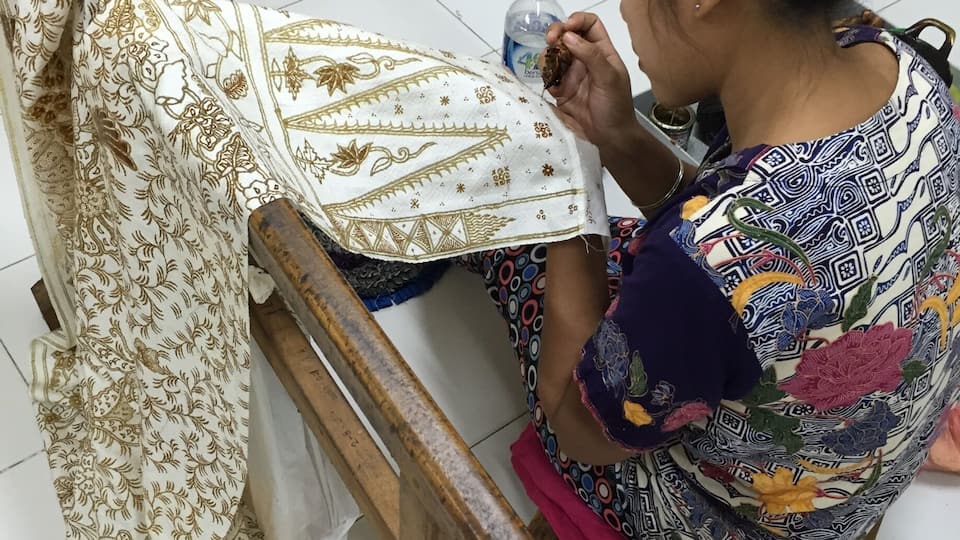
![At the museum no photos are allowed which is really unfortunate as it was well worth the visit and the guided tour is definitely not to be missed. In the museum there are even Batik made from the Dutch era which depicts stories like Little Red Riding Hood and Snow White!
I enjoyed the tour v much and at the end of the tour we were brought to this room where the artisan were working on hand drawn batik.
Below is an excerpt from Wikipedia for anyone interested in learning more about the process of batik making.
Firstly, a cloth is washed, soaked and beaten with a large mallet. Patterns are drawn with pencil and later redrawn using hot wax, usually made from a mixture of paraffin or bees wax, sometimes mixed with plant resins, which functions as a dye-resist. The wax can be applied with a variety of tools. A pen-like instrument called a canting (IPA: [tʃantiŋ], sometimes spelled with old Dutch orthography tjanting) is the most common. A canting is made from a small copper reservoir with a spout on a wooden handle. The reservoir holds the resist which flows through the spout, creating dots and lines as it moves. For larger patterns, a stiff brush may be used. Alternatively, a copper block stamp called a cap (IPA: [tʃap]; old spelling tjap) is used to cover large areas more efficiently.
After the cloth is dry, the resist is removed by scraping or boiling the cloth. The areas treated with resist keep their original color; when the resist is removed the contrast between the dyed and undyed areas forms the pattern. This process is repeated as many times as the number of colors desired.
The most traditional type of batik, called batik tulis (written batik), is drawn using only the canting. The cloth need to be drawn on both sides and dipped in a dye bath three to four times. The whole process may take up to a year; it yields considerably finer patterns than stamped batik.
Source: Wikipedia](https://images.trvl-media.com/place/6224808/26fd1460-c65a-4c1a-9444-7a893e883ac9.jpg?impolicy=fcrop&w=300&h=400&p=1&q=high)
Foto von Sharrie Shaw
Öffentliches Foto von Sharrie Shaw
Surakarta: Top-Hotelbewertungen

Hotel O Solo near RS JIH Solo formerly Azifa Inn
1, Jl. Nanas 5, Desa Jajar, Kerten, Surakarta Jawa Tengah
Der Preis beträgt CHF 5 pro Nacht vom 16. Jan. bis zum 17. Jan.
CHF 5
16. Jan.–17. Jan. 2026
inkl. Steuern & Gebühren
![At the museum no photos are allowed which is really unfortunate as it was well worth the visit and the guided tour is definitely not to be missed. In the museum there are even Batik made from the Dutch era which depicts stories like Little Red Riding Hood and Snow White!
I enjoyed the tour v much and at the end of the tour we were brought to this room where the artisan were working on hand drawn batik.
Below is an excerpt from Wikipedia for anyone interested in learning more about the process of batik making.
Firstly, a cloth is washed, soaked and beaten with a large mallet. Patterns are drawn with pencil and later redrawn using hot wax, usually made from a mixture of paraffin or bees wax, sometimes mixed with plant resins, which functions as a dye-resist. The wax can be applied with a variety of tools. A pen-like instrument called a canting (IPA: [tʃantiŋ], sometimes spelled with old Dutch orthography tjanting) is the most common. A canting is made from a small copper reservoir with a spout on a wooden handle. The reservoir holds the resist which flows through the spout, creating dots and lines as it moves. For larger patterns, a stiff brush may be used. Alternatively, a copper block stamp called a cap (IPA: [tʃap]; old spelling tjap) is used to cover large areas more efficiently.
After the cloth is dry, the resist is removed by scraping or boiling the cloth. The areas treated with resist keep their original color; when the resist is removed the contrast between the dyed and undyed areas forms the pattern. This process is repeated as many times as the number of colors desired.
The most traditional type of batik, called batik tulis (written batik), is drawn using only the canting. The cloth need to be drawn on both sides and dipped in a dye bath three to four times. The whole process may take up to a year; it yields considerably finer patterns than stamped batik.
Source: Wikipedia](https://images.trvl-media.com/place/6224808/26fd1460-c65a-4c1a-9444-7a893e883ac9.jpg?impolicy=fcrop&w=1200&h=500&q=medium)