

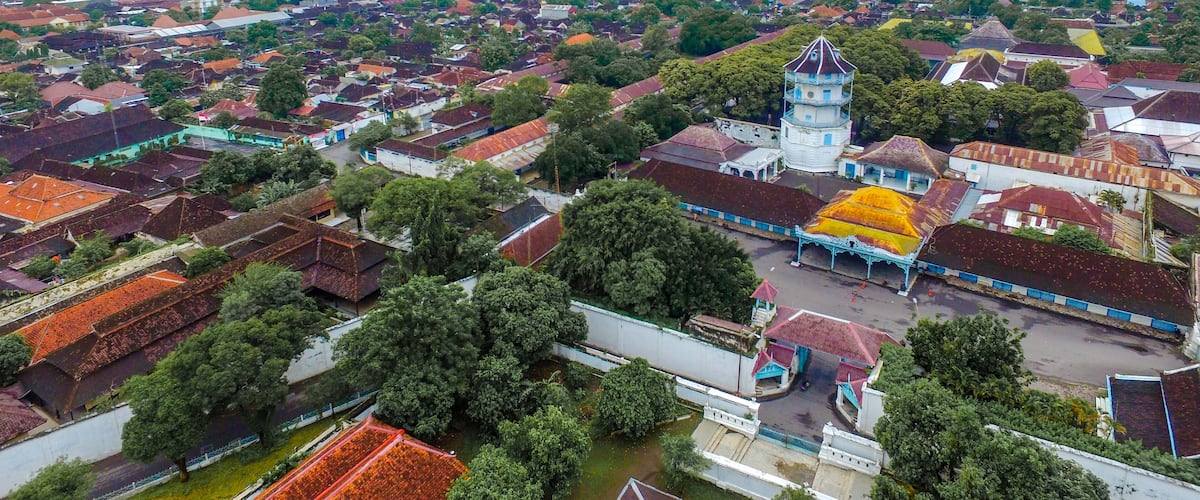
Hotels mit Pool Surakarta
 Und wenn du deine Meinung änderst?Ganz einfach: Buche Hotels mit kostenloser Stornierung.
 Sei ruhig wählerischStöbere in fast einer Million Unterkünften auf der ganzen Welt.
Heute
16. Okt. - 17. Okt.Morgen
17. Okt. - 18. Okt.Dieses Wochenende
16. Okt. - 18. Okt.Nächstes Wochenende
23. Okt. - 25. Okt.Surakarta – unsere Top-Auswahl an Hotels mit einem Pool


CHF 27
inkl. Steuern & Gebühren
18. Okt.–19. Okt.




CHF 67
inkl. Steuern & Gebühren
17. Okt.–18. Okt.
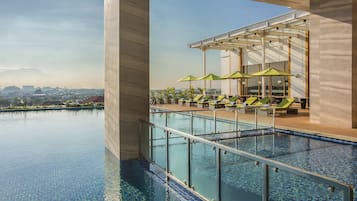


CHF 44
inkl. Steuern & Gebühren
1. Nov.–2. Nov.

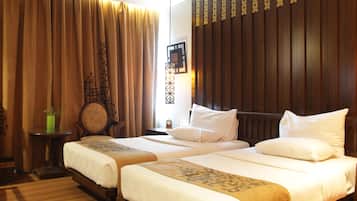


4. The Royal Surakarta Heritage - Handwritten Collection
The Royal Surakarta Heritage - Handwritten CollectionInnenstadt von Solo
CHF 25
inkl. Steuern & Gebühren
18. Okt.–19. Okt.


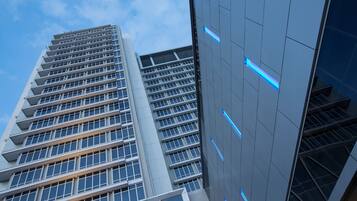

CHF 43
inkl. Steuern & Gebühren
1. Nov.–2. Nov.





CHF 31
inkl. Steuern & Gebühren
18. Okt.–19. Okt.
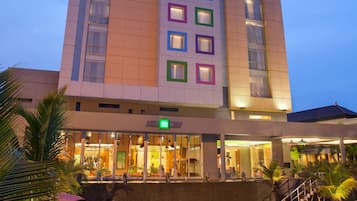



CHF 18
inkl. Steuern & Gebühren
19. Okt.–20. Okt.


CHF 26
inkl. Steuern & Gebühren
15. Nov.–16. Nov.
Alle Unterkünfte anzeigen






Hotels mit Pool und inbegriffenem Frühstück in Surakarta
CHF 27
inkl. Steuern & Gebühren
18. Okt.–19. Okt.
CHF 67
inkl. Steuern & Gebühren
17. Okt.–18. Okt.

CHF 44
inkl. Steuern & Gebühren
1. Nov.–2. Nov.

The Royal Surakarta Heritage - Handwritten Collection
The Royal Surakarta Heritage - Handwritten CollectionInnenstadt von Solo
CHF 25
inkl. Steuern & Gebühren
18. Okt.–19. Okt.

CHF 43
inkl. Steuern & Gebühren
1. Nov.–2. Nov.
CHF 31
inkl. Steuern & Gebühren
18. Okt.–19. Okt.

CHF 18
inkl. Steuern & Gebühren
19. Okt.–20. Okt.
CHF 26
inkl. Steuern & Gebühren
15. Nov.–16. Nov.


CHF 29
inkl. Steuern & Gebühren
1. Nov.–2. Nov.
4-Sterne-Hotels mit Pool in Surakarta
CHF 27
inkl. Steuern & Gebühren
18. Okt.–19. Okt.
CHF 44
inkl. Steuern & Gebühren
1. Nov.–2. Nov.
CHF 31
inkl. Steuern & Gebühren
18. Okt.–19. Okt.
CHF 26
inkl. Steuern & Gebühren
15. Nov.–16. Nov.


The Alana Hotel and Convention Center - Solo by Aston
The Alana Hotel and Convention Center - Solo by AstonColomadu
CHF 59
inkl. Steuern & Gebühren
29. Okt.–30. Okt.
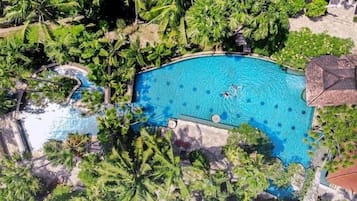


Lorin Solo Hotel
Lorin Solo HotelColomadu
CHF 39
inkl. Steuern & Gebühren
17. Okt.–18. Okt.


CHF 29
inkl. Steuern & Gebühren
18. Okt.–19. Okt.
Dies ist der niedrigste Preis pro Nacht, der in den letzten 24 Stunden für einen Aufenthalt mit 1 Übernachtung von 2 Erwachsenen gefunden wurde. Preise und Verfügbarkeiten können sich ändern. Es können zusätzliche Bedingungen gelten.
Alle Unterkünfte anzeigen