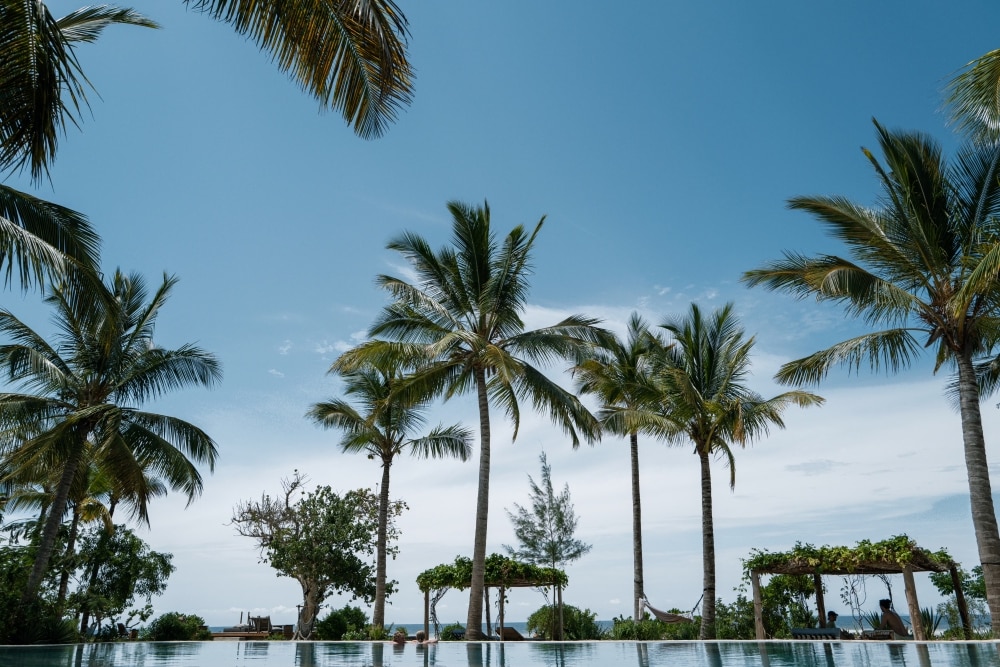

Centre-ville de Solo
Surakarta
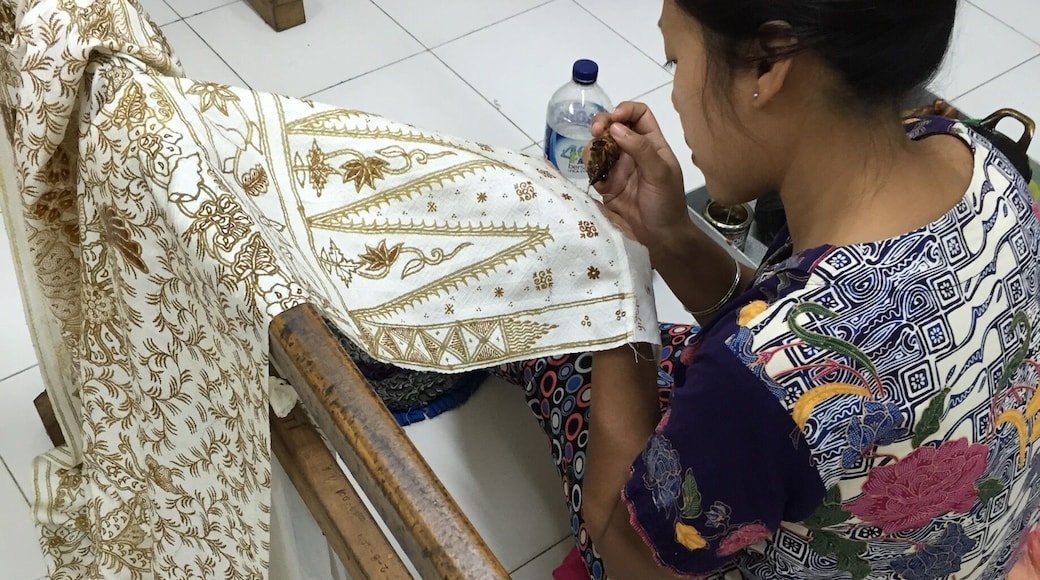
Découvrez Centre-ville de Solo
Séjournez à proximité d’attractions populaires à Centre-ville de Solo
Centre-ville de Solo : les meilleurs hôtels

Novotel Solo
Jalan Slamet Riyadi 272 Surakarta Central Java
Le prix est de CHF 30 par nuit du 25 sept. au 26 sept..
CHF 30
25 sept. - 26 sept.
taxes et frais compris
Séjournez dans cet hôtel avec spa à Surakarta. Cet hébergement propose le Wi-Fi gratuit, un parking gratuit et 2 des piscines extérieures. Des attractions populaires, ...
8,2/10 Très bien ! (123 avis)
une hotel basique au lieu d'une 4****
"L'état général de l'hotel est un peu démodé. Il n'est plus d'un niveau 4 étoiles. Le pire est le restaurant. C'est une honte ! La prochaine fois j'essayera un autre hotel."
Avis laissé le 23 juin 2016

The Royal Surakarta Heritage - Handwritten Collection
Jalan Slamet Riyadi No. 06 Surakarta Central Java
Le prix est de CHF 29 par nuit du 24 sept. au 25 sept..
CHF 29
24 sept. - 25 sept.
taxes et frais compris
Séjournez dans cet hôtel de luxe à Surakarta. Cet hébergement propose le Wi-Fi gratuit, un parking gratuit et un spa proposant des soins complets. Des attractions ...
8,2/10 Très bien ! (174 avis)
"The room as no air circulation , seems that nobody stays in for years , it was smelly , very humid in the room , clothes and sheets were weat by humidity , air conditionning very old not working in the first room they give me ! Stains in the bathroom . Really need to renovate ! Also I was able to ..."
Avis laissé le 22 sept. 2022
ibis Styles Solo
Jalan Gajah Mada 23 Surakarta Central Java
Le prix est de CHF 20 par nuit du 24 sept. au 25 sept..
CHF 20
24 sept. - 25 sept.
taxes et frais compris
Séjournez dans cet hôtel avec spa à Surakarta. Cet hébergement propose le Wi-Fi gratuit, un parking gratuit et 2 des piscines extérieures. Des attractions populaires, ...
8,2/10 Très bien ! (109 avis)
bon hôtel
"bonne impression"
Avis laissé le 28 août 2014

Horison Inn Laksana Solo
Jl Teratai 2 no. 11, Mangkubumen Surakarta Central Java
Le prix est de CHF 12 par nuit du 18 oct. au 19 oct..
CHF 12
18 oct. - 19 oct.
taxes et frais compris
Séjournez dans cet hôtel à Surakarta. Cet hébergement propose le Wi-Fi gratuit, un parking gratuit et le petit déjeuner (en supplément). Des attractions populaires, ...
6/10 (7 avis)
"It was a super bad experience staying there. At sround 2.06 pm, they said that the room was not ready! That didn't make sense at all. Then they gave a smoking room!!!! Which smelled totally terrible! Inside the room, of course there were some coffee and tea, but guess what? Yuup! No electric water ..."
Avis laissé le 22 mars 2026
FIM by Zigna
31 Jl. Yosodipuro Surakarta Jawa Tengah
Le prix est de CHF 26 par nuit du 24 sept. au 25 sept..
CHF 26
24 sept. - 25 sept.
taxes et frais compris
Séjournez dans cet hôtel avec spa à Surakarta. Cet hébergement propose le Wi-Fi gratuit, un parking gratuit et un spa proposant des soins complets. Des attractions ...
9,4/10 Exceptionnel ! (6 avis)
"The hotel is an excellent place to stay. The hotel itself is not special or fancy, but it is well-run, clean, and located in the center of Solo. The breakfast buffet is excellent, the restaurant is good, and the hotel also has a nice cafe with an outside seating area. They featured life music at ..."
Avis laissé le 19 juil. 2025

Loji Hotel Solo by Wstay
Jl. Hasanudin 134, Surakarta Surakarta Central Java
Le prix est de CHF 14 par nuit du 24 sept. au 25 sept..
CHF 14
24 sept. - 25 sept.
taxes et frais compris
Séjournez dans cet hôtel avec spa à Surakarta. Cet hébergement propose le Wi-Fi gratuit, un spa proposant des soins complets et le petit déjeuner (en supplément). ...
7,2/10 Bien ! (17 avis)
"The room and bed were big and comfortable, but no fridge and no safebox. Breakfast was really good, though. The hotel is very close to the Balapan train station, which is nice. It’s a decent budget place, but what makes me unable to recommend is because how dangerous the roads are around the hotel. ..."
Avis laissé le 12 sept. 2025
Prix le plus bas trouvé au cours des 24 dernières heures sur la base d’un séjour d’une nuit pour 2 adultes. Les prix et la disponibilité sont susceptibles de changer. D’autres conditions peuvent s’appliquer.
Centre-ville de Solo : vérifiez la disponibilité des hôtels
Voyage à Centre-ville de Solo : les meilleurs quartiers
Trouvez les meilleurs quartiers à Centre-ville de Solo pour réaliser vos activités favorites. En savoir plus sur Centre-ville de Solo
En savoir plus sur Centre-ville de Solo
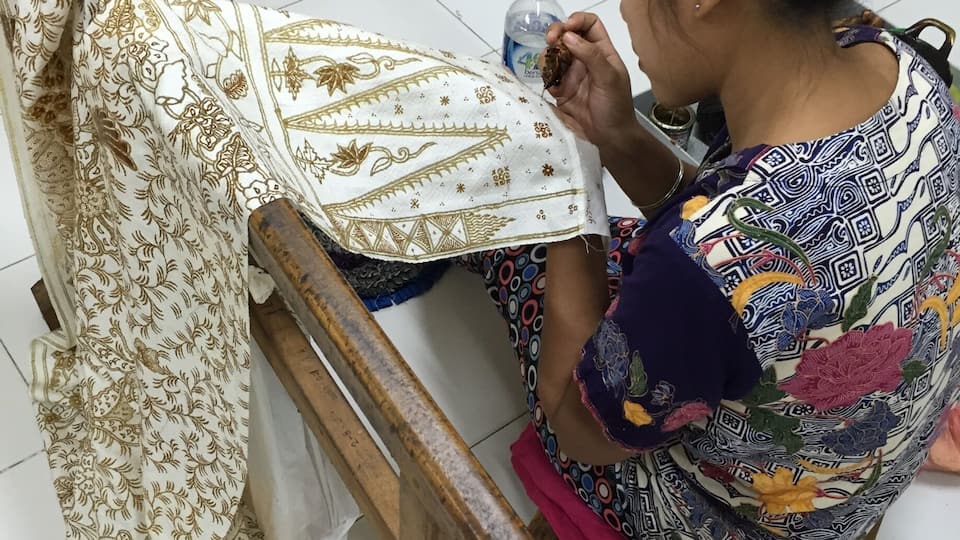
Photo prise par Sharrie Shaw
Photo libre de droits prise par Sharrie Shaw
Banjarsari
Lorsque vous visitez Banjarsari, faites une halte à certains endroits, comme Solo Paragon Lifestyle Mall (centre commercial) et Parc citadin Balekambang.
Laweyan
Même si Laweyan n'offre pas un grand nombre de sites exceptionnels, il existe des endroits magnifiques à visiter à proximité : Solo Paragon Lifestyle Mall (centre commercial) et Centre commercial Solo Square.